Jamaican Food in Denver: Signature Dishes You Should Know
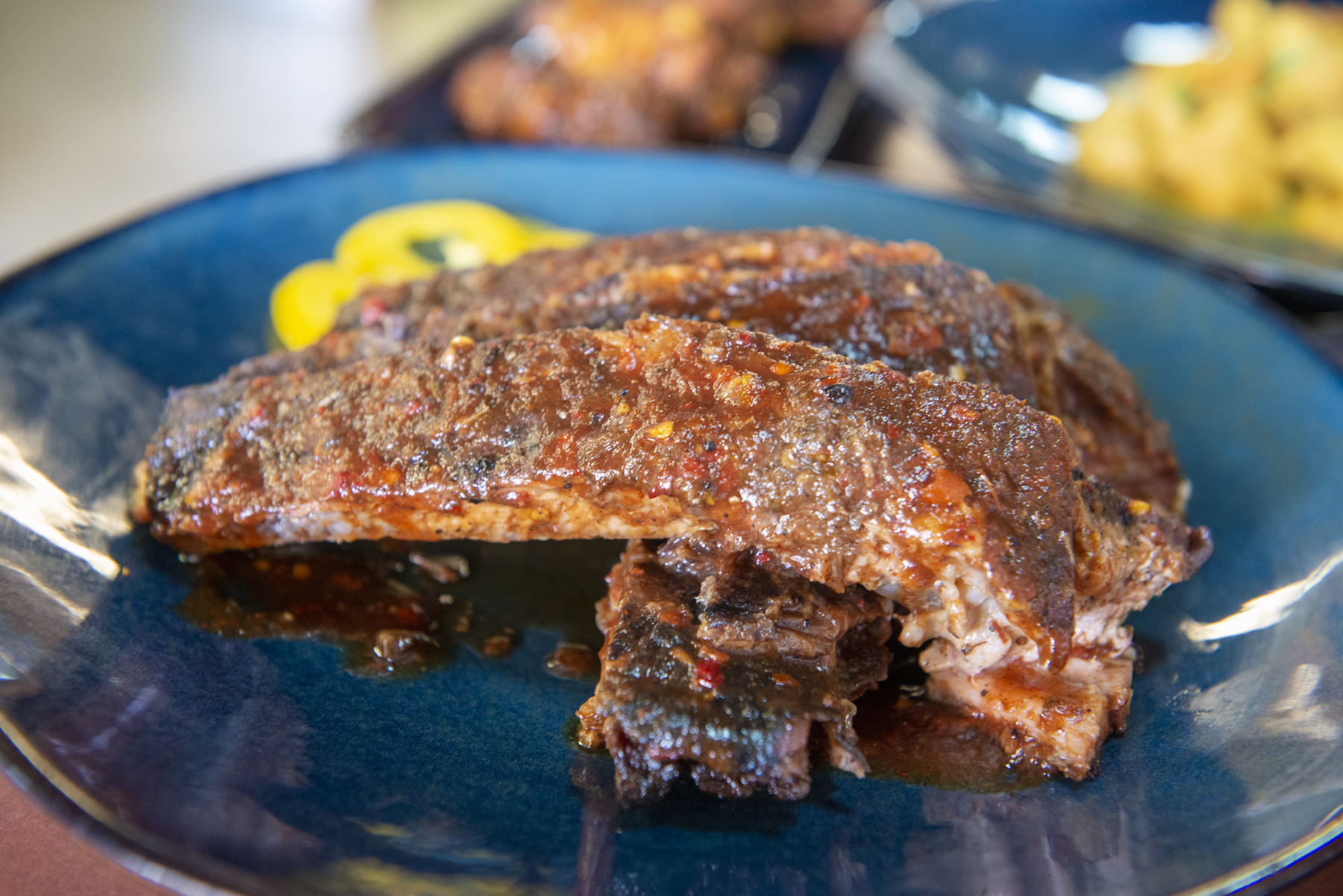
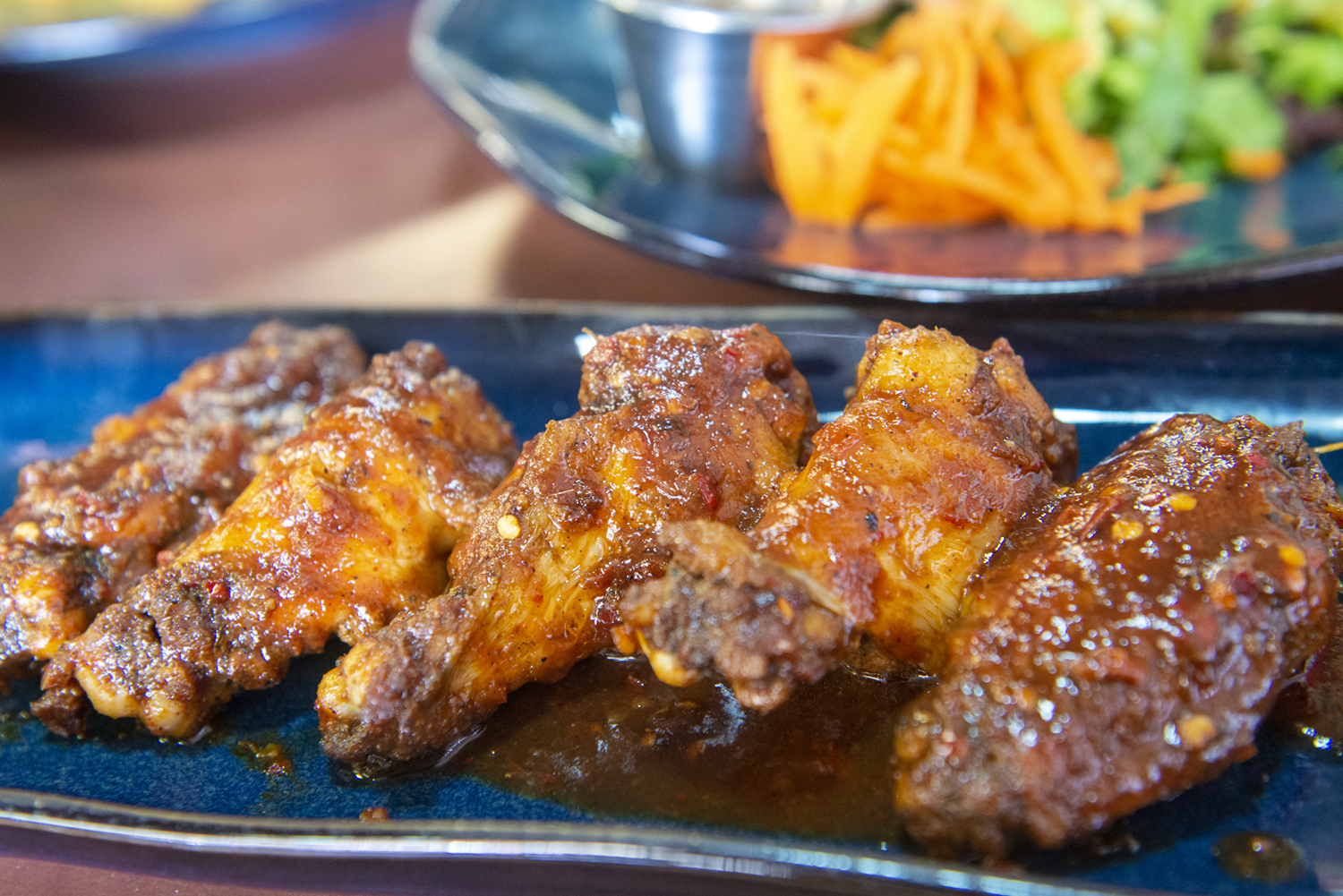
Denver has become a far more interesting food city than outsiders often expect. People still arrive thinking about green chile, steak, craft beer, and the usual mountain-state clichés. Then they spend a little time in the neighborhoods, drive east, head south, or wander into a strip mall storefront with music drifting through the door, and the picture changes. Jamaican food has become part of that broader story. It is not the biggest cuisine in town, and it does not announce itself with the same volume as tacos or barbecue, but when it is done well, it leaves a lasting impression.
If you are searching for jamaican food denver diners actually return to, the dishes matter more than the menu length. Jamaican cooking carries a very specific balance of spice, smoke, sweetness, herbs, slow braising, and starches that are designed to absorb flavor. The best meals feel generous and deeply composed, even when the plate itself looks simple. A tray of jerk chicken with rice and peas, cabbage, and plantains can tell you almost everything about a kitchen’s standards. So can a bowl of oxtail gravy, or the texture of a beef patty eaten hot from the case.
Denver adds its own wrinkle. Altitude changes cooking times. Dry air can work against tenderness if a kitchen is not careful. Sourcing can be inconsistent, especially for specialty peppers, tropical produce, and certain cuts of meat. On top of that, local diners bring different expectations. Some want serious heat. Others want a toned-down version they can ease into. The places that earn loyalty tend to understand both sides: they preserve the soul of the food while making smart choices for this market.
What follows is not a ranking and not a directory. It is a guide to the signature dishes worth knowing, especially if you want to understand what to order, what each dish is supposed to taste like, and how to tell when a restaurant is getting it right.
Jerk chicken is the first test
For many Denver diners, jerk chicken is the entry point. That makes sense. It is iconic, relatively approachable, and it travels well from kitchen to takeout container. But it is also one of the easiest Jamaican dishes to flatten into a stereotype. Too often, “jerk” gets reduced to “spicy grilled chicken,” as if the whole point were just chile heat. Real jerk is more layered than that.
The heart of jerk lies in seasoning and fire. Scotch bonnet peppers bring fruity, aggressive heat, but they are only part of the picture. Allspice, https://cesarsfpy606.cloudhinter.com/posts/jamaican-food-in-denver-best-choices-for-flavor-packed-meals thyme, scallions, garlic, ginger, and sometimes cinnamon or nutmeg build the aromatic profile. A good marinade penetrates the meat rather than sitting on the surface like a paste for color. Then comes the cooking. Traditional jerk is associated with pimento wood smoke, which is hard to replicate perfectly outside Jamaica. In Denver, a kitchen may use grills, smokers, ovens, or hybrid methods, and the result can still be excellent if the bird carries that dark, seasoned crust and stays juicy underneath.
The best jerk chicken in Denver usually has three qualities. First, the spice tastes alive, not stale or one-note. Second, the skin or exterior shows char in the right places, giving bitterness and smoke without turning the meat dry. Third, the heat arrives in stages. You notice the herbs first, then warmth, then the fuller punch of pepper. If the first bite only screams chile and the second is dry, something went wrong.
A lot of people underestimate how much the side dishes matter here. Jerk chicken without rice and peas is missing an anchor. The rice should be separate and fluffy, lightly scented with coconut milk and thyme, with kidney beans integrated rather than dumped on top. Cabbage, often sautéed until just tender, provides freshness and a slight sweetness that calms the spice. Fried sweet plantains complete the plate with caramelized edges and soft centers. Taken together, this is not garnish. It is structure.
Oxtail is where kitchens prove their patience
If jerk chicken is the first test, oxtail is the deeper one. Good oxtail cannot be rushed. It demands time, close attention, and enough confidence to let collagen do its work. When you order it in Denver, expect a higher price than chicken dishes. That is normal. Oxtail has become expensive across the country, and labor is part of the cost too.
Done properly, the meat should be fork-tender but not shredded into anonymity. You want pieces that hold their shape until touched, then give way. The gravy matters just as much. It should be glossy, rich, and concentrated from the braising liquid, often carrying notes of browning sauce, thyme, garlic, onion, and pepper. Butter beans commonly join the pot, softening into the sauce and adding creaminess without dairy.
This is one of those dishes that reveals whether a restaurant understands restraint. An overly salty oxtail loses elegance fast. A thin gravy feels stingy. Meat that slips off the bone too easily can mean it was held too long after cooking. The sweet spot is somewhere in the middle: deep flavor, sticky texture, and a sauce you end up dragging rice through long after the meat is gone.
In Denver, where diners often chase bold flavors, oxtail surprises people by winning them over with depth rather than brute force. It is not usually the hottest dish on the menu. It is one of the most complete. On a cold evening, with the mountain air drying out the city and the temperature dropping after sunset, there are few more satisfying orders.
Curry goat carries warmth differently than jerk
People who think all Caribbean food is interchangeable tend to lump curry goat in with Indian curries or generic “spicy stews.” That misses what makes Jamaican curry distinct. The seasoning profile often includes Jamaican curry powder, which leans earthier and more turmeric-forward than some South Asian blends, along with garlic, onion, thyme, black pepper, scallion, and chile. The result is fragrant and savory, with a kind of rounded heat that spreads through the dish rather than striking sharply.
Goat itself needs careful treatment. It can become wonderful or wearying depending on the cut and the cook. Younger goat tends to be milder and more tender. Older goat can have more character but also more chew if not braised long enough. A strong kitchen coaxes the meat into tenderness while preserving its identity. If it tastes indistinguishable from stewed beef, something got lost.
The sauce should cling to the rice rather than flooding the plate like soup. Potatoes, when included, need enough time to absorb flavor without collapsing. The aroma should announce curry before you even sit down with the container. That matters with takeout, especially in Denver where so much restaurant business happens on the move.
Curry goat also offers a useful contrast for newcomers who worry about jerk being too hot. Heat tolerance varies, and Denver kitchens often moderate spice to fit a broad audience. Even then, curry goat usually reads as gentler and more warming than aggressively fiery. It is a strong second dish for anyone beginning to explore Jamaican food.
Brown stew chicken deserves more respect than it gets
Brown stew chicken is one of the most satisfying dishes on a Jamaican menu, yet it rarely gets the same attention as jerk or oxtail. Part of that is visual. It looks homey rather than dramatic. There is no theatrical smoke, no prestige cut of meat, no built-in trend factor. What it offers instead is balance.
The chicken is typically marinated, browned, then simmered with onions, peppers, tomatoes, garlic, thyme, and seasonings until the sauce comes together into something savory, slightly sweet, and deeply comforting. Browning sauce gives color and a touch of bittersweet complexity. The finished dish should be rich without heaviness, saucy without greasiness.
For Denver diners, brown stew chicken can be the ideal gateway plate because it speaks to familiar comfort-food instincts while introducing the seasoning logic of Jamaican cooking. It also tends to hold up very well for takeout or leftovers. In fact, some stewed dishes improve after a rest as flavors settle together.
When I judge a brown stew chicken, I look at the sauce first. Does it taste cooked through, or does it still carry a raw tomato sharpness? Then I look at the chicken. Has the skin contributed flavor, or has it turned flabby and detached? Finally, I pay attention to the rice and peas underneath. A good stew should season the rice without drowning it. There is craft in that balance.
Beef patties are more than a snack
A Jamaican beef patty can seem simple if you have never paid close attention. It is handheld, portable, often inexpensive, and sold in bakeries, takeout counters, and casual shops. That can make people treat it like an afterthought. It should not be.
The pastry is the first thing to notice. It is usually golden from turmeric or curry in the dough, with a short, flaky structure that should shatter a little at the edges without becoming dusty or dry. The filling should be savory and well-seasoned, often with beef, onion, thyme, pepper, and sometimes breadcrumbs to help bind the juices. The best patties are hot enough inside to release steam when broken open, with enough moisture to keep the filling cohesive.
Denver’s lunch crowd should know about patties because they solve a very specific problem. You want something fast, satisfying, and flavorful, but not always a full combo plate that puts you into an afternoon slump. A patty, maybe paired with a drink or another small side, fits neatly into that gap. For people who work in offices or spend time driving between appointments, it is one of the smartest introductions to jamaican food denver has to offer.
Some places also serve patties stuffed into coco bread, which turns the snack into a more filling sandwich. The soft, slightly sweet bread cushions the spicy pastry in a way that makes perfect sense once you try it. It is not the most famous item for first-time diners, but it is often the thing people start craving later.
Rice and peas is not a background actor
Side dishes tell the truth about a restaurant. Main proteins draw attention, but the starches and vegetables show whether the kitchen cares about the whole plate. Rice and peas is a perfect example. Despite the name, the “peas” are usually kidney beans. The rice is commonly cooked with coconut milk, thyme, scallion, garlic, and sometimes Scotch bonnet for aroma more than direct heat.
When it is done well, each grain stays distinct. The flavor is savory and faintly creamy, with just enough herbal fragrance to carry on its own. When it is done poorly, it becomes either bland filler or mush. There is not much room in between.
This matters in Denver because many diners meet Jamaican food through combo platters. If the rice and peas is excellent, even a busy lunch order feels complete. If it is weak, the meal feels oddly disjointed, no matter how good the chicken is. A strong restaurant seasons rice with intention, understanding that every forkful between bites of meat is part of the experience, not downtime.
The same logic applies to steamed or sautéed cabbage. It should bring freshness and a little snap. Too often in lesser kitchens, cabbage becomes an obligation item, cooked until dull and watery. At its best, it brightens the plate and cuts richness, especially with oxtail or fried foods.
Plantains bring sweetness, but timing is everything
People either love fried ripe plantains instantly or need one good version to understand the appeal. A proper plantain should be deeply yellow with patches of brown before cooking, which signals that the starches have converted enough to develop sweetness. Fried slices should caramelize at the edges and soften in the middle. If they are taken from underripe fruit, they can taste starchy and flat. If they are over-fried, the sugars burn and turn bitter.
On a Jamaican plate, plantains do several jobs at once. They soften the heat of jerk seasoning, echo the sweet notes hidden inside allspice and browning sauce, and add textural contrast. They also make the meal feel complete in a way that is hard to explain until you eat the whole combination together. One of the pleasures of a well-built plate is moving from smoky chicken to rice, then to cabbage, then to plantain, with each bite recalibrating the next.
In Denver, plantains can be a quiet quality marker because they require timing and turnover. A place that sells enough food to keep them moving is more likely to serve them at the right stage and temperature. Freshly fried plantains are tender and glossy. Plantains that have been sitting too long lose their charm fast.
Escovitch fish offers brightness and bite
Not every Jamaican meal needs to center on dark gravies and slow braises. Escovitch fish brings a sharper, livelier energy to the table. Traditionally, a whole fish is fried and then topped with a spicy vinegar-based mixture of onions, carrots, bell peppers, and Scotch bonnet. The contrast defines the dish: crisp fish, tart pickled vegetables, and heat that cuts through the oil.
This is one of the most exciting dishes to order when a restaurant handles seafood confidently. The fish should be fresh, the skin crisp, and the escovitch topping assertive without becoming harsh. Too much vinegar can dominate. Too little leaves the dish flat. The vegetables should still have texture. Limp escovitch is a missed opportunity.
It can be a tougher sell for diners who are used to boneless fillets, especially in a landlocked city where whole fried fish is still a bit of a leap for some people. But the payoff is real. Escovitch delivers a side of Jamaican cooking that many newcomers do not expect, one built on acid and crunch rather than braise and smoke. If you see it on a Denver menu, it is worth serious consideration.
The drinks and desserts finish the story
A plate of Jamaican food is satisfying on its own, but the supporting cast can deepen the experience. Sorrel, often served around the holidays but enjoyed more broadly too, has a tart, spiced profile that can remind some people of hibiscus with clove and ginger. Ginger beer brings heat of a different kind, sharp and refreshing. Creamy options like Irish moss or peanut punch show a more indulgent side of the tradition.
Desserts vary by kitchen, but rum cake, sweet potato pudding, and grater cake each offer a different finish. Sweet potato pudding is especially worth seeking out because it reflects the same practical brilliance found in so much Jamaican cooking. It is dense, spiced, and grounded in root vegetable sweetness rather than frosting-heavy excess. In Denver, where many diners already appreciate robust baked desserts, it often lands well.
How to order if you are new to Jamaican food in Denver
If you are approaching jamaican food denver menus for the first time, the easiest mistake is trying to decode everything through familiar categories. Instead of asking which dish is “like” something else, pay attention to the cooking method and how the meal is built. Smoked and grilled, braised, curried, fried, stewed, baked, each of those terms points you toward a different experience.
A practical first meal might look like this:
- Start with jerk chicken or brown stew chicken.
- Get rice and peas, not plain white rice, if the choice is yours.
- Add cabbage and plantains so the plate has contrast.
- Pick up a beef patty if you want something extra for later.
- If you are dining with someone else, split an oxtail order to compare.
That approach lets you taste the range without overcomplicating things. If you already know you enjoy braised meats, move straight to oxtail or curry goat. If bones are a concern, ask questions before ordering. Jamaican menus often include chopped or bone-in cuts, and a quick clarification saves surprises.
What makes a Denver Jamaican restaurant memorable
The best spots do not just serve heavily seasoned food. They understand pacing, consistency, and proportion. The seasoning should reach into the meat. The sides should support rather than merely occupy space. Heat should feel intentional. Portions should be generous without becoming careless.
There are a few signs experienced diners tend to notice quickly:
- The aroma hits before the food arrives, especially with jerk and curry.
- The gravy on braised dishes has body and shine, not a watery look.
- The cabbage tastes fresh and seasoned, not boiled into submission.
- The plantains show caramelization rather than pale softness.
- The rice and peas could be eaten alone and still taste complete.
Those details matter because Jamaican food depends on cumulative excellence. No single item carries the meal by itself. Even a simple lunch tray asks the kitchen to manage spice, smoke, starch, sweetness, tenderness, and freshness at the same time. When every element lands, the meal feels greater than the sum of its parts.
Denver is a city where diners increasingly reward that kind of specificity. People want food with roots, not vague fusion. They want recipes that know where they come from. Jamaican cooking answers that demand beautifully. It offers bold flavors, yes, but also discipline, memory, and a very clear sense of purpose.
If you are exploring the city through its food, Jamaican menus deserve your attention. Start with the signatures. Learn what jerk is supposed to taste like. Notice the patience behind oxtail, the warmth of curry goat, the comfort of brown stew chicken, the flaky pleasure of a good patty. Once those dishes click, the cuisine opens up fast. And once it does, you stop thinking of it as a niche craving and start seeing it for what it is: one of the most rewarding meals Denver has to offer.
Reggae Pot Jamaican Grill
Address: 2243 S Monaco St Pkwy #104, Denver, CO 80222
Phone number: +17204102956
FAQ About Jamaican Food Denver
What is typical Jamaican food?
Typical Jamaican food features bold, vibrant flavors created by blending African, Taino, European, and Asian influences.
What is a famous Jamaican dish?
Ackee and saltfish is Jamaica's national dish, made by sautéing the soft local ackee fruit with salted cod, onions, tomatoes, and spicy Scotch bonnet peppers.
What food is most popular in Jamaica?
The most popular and famous food in Jamaica is Jerk Chicken, celebrated worldwide for its smoky, spicy flavor.